
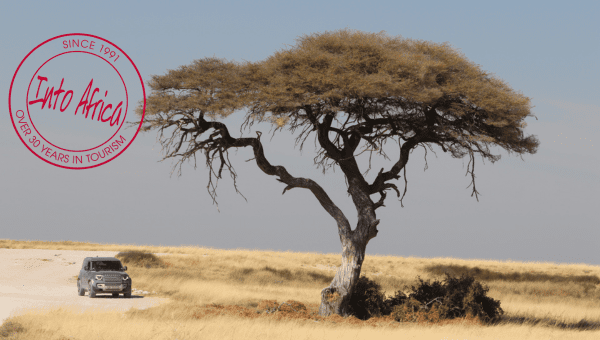
I have to say we were very pleased with our choice to explore Namibia as one almost needs to be reminded what a beautiful country it is, with so much to see. People often refer to Namibia’s vast open spaces, but that doesn’t do credit to variety of experiences on offer. Some highlights are: Sossusvlei, Dead Vlei, Darmarland, Skeleton Coast, Fish River Canyon, and you may be interested to know that , the NamibRand Nature Reserve is a Gold Tier International Dark Sky Reserve.
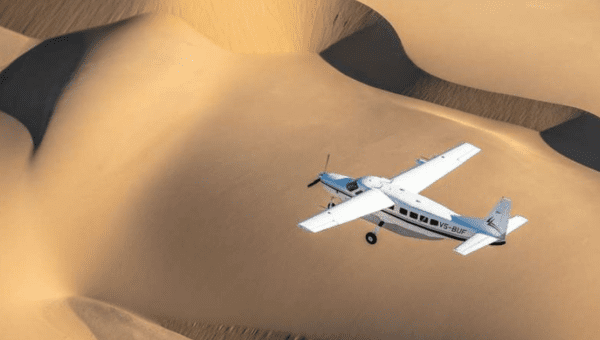
Namibia is 1,300 kilometers in length and about 900 kilometers wide in parts, so that makes up a lot of distance to cover. We had the luxury of almost 4 weeks, and we still left much to return for. One way around the distance problem is to fly by light aircraft. Another option is to split Namibia into a Southern Circuit and and Northern Circuit. Either way, you’re will still have to make difficult choices.
For the purpose of this newsletter we are going to focus on the options open to those looking for a soft adventure travelling by road (not off road, i.e. not Skeleton coast or desert routes). This can take the form of self-drive or escorted tours. Planning is important here in that accommodation is limited and in high season (May – Sept) is in demand. A good understanding of the distances to be driven and your appetite for time behind the wheel helps to create the right itinerary.
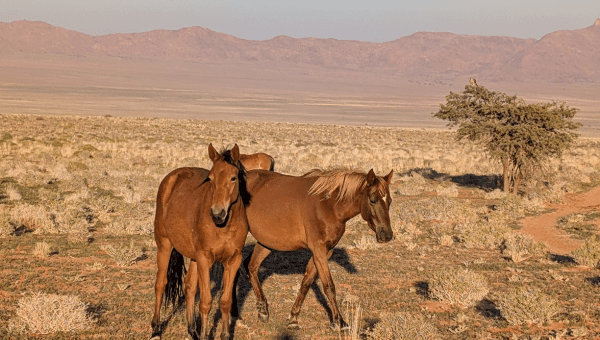
Highlights in the ‘southern circuit’ for us were the area around Aus Vista, The Fish River Canyon and Sossusvlei. Aus offers beautiful landscapes and mountainous hiking trails . Here, wild horse replaces the gemsbok – or “Nationals” as they are referred to by the locals. Aus is also the gateway to the port of Ludertiz and the ghost mining town which has been swallowed by the desert – Kolmanskop.
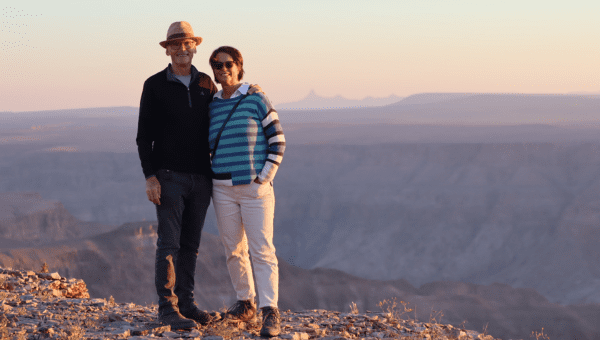
Fish River Canyon – second in size only to the Grand Canyon – offers 4×4 and hiking trails in a spectacular environment.
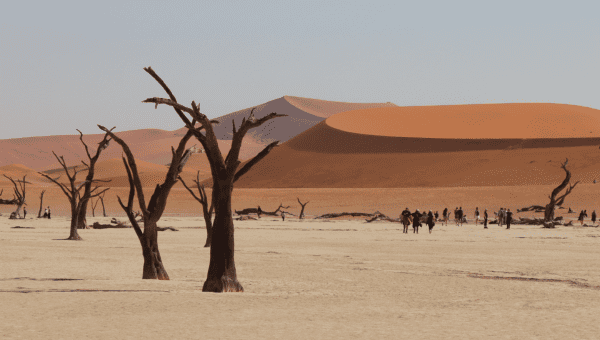
It took me 1.5 hours to walk up to the 325 meters to the summit of Big Daddy dune in Sossusvlei. It took a fun 3-minute wade through thick sand down to Deadvlei at its base. My wife, Luci, was completely transfixed by the ancient acacia trees that dried up over 900 years ago in Deadvlei. They stand like sculptures against the backdrop of the white salt pan and red dunes, creating a contrast that is a true visual delight.
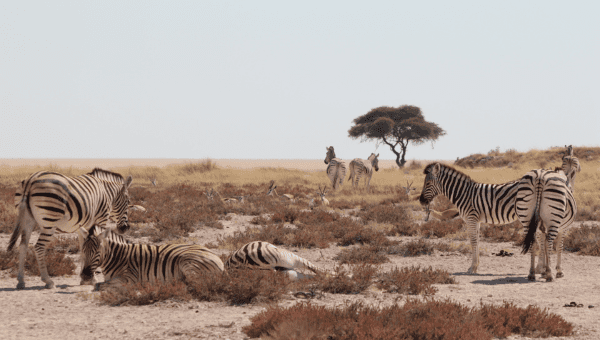
Highlights in the ‘northern circuit’ for us were Etosha Pan, Twyfelfontein and the Zambezi Region. The beauty of Etosha lies in its vast expense of a Salt Pan which is 130 km wide and 50 km long, or the size of Holland. The effect of seeing the animals on its brilliant white surface and against fantastically blue skies is quite something.
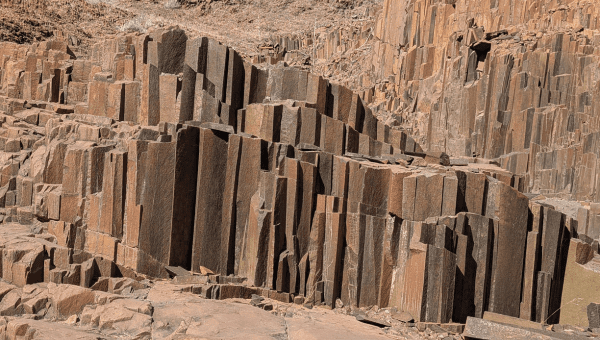
Twyfelfontein is in a region called Damaraland. The geology of this area is fascinating encompassing ancient rock engravings and petrified forests. Luci so loved the organ pipe rock formations we visited, she said that for her their geometric shapes were magnificent and a definite must-see.
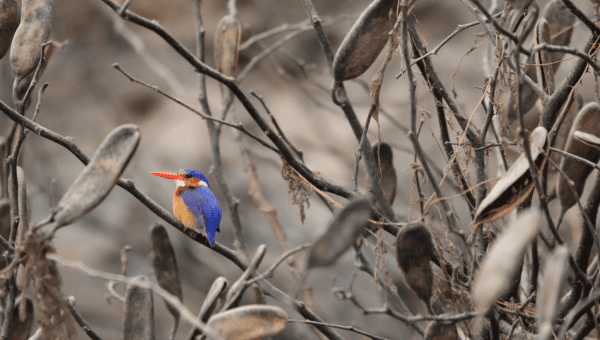
The Zambezi Region (formerly the Caprivi) offers a different kind of game and birding viewing to Etosha. The river systems in this area are complex and stunningly beautiful. In the far East of the region, the Zambezi borders Zambia. The Kwando River flows south into Botswana where it becomes the Linyati and then the Chobe. Further west the Kavango river flows from Angola through the region into Botswana to form the Okavango Delta.
Sandwiched between the Kavango and Kwando River is the Bwabwata National Park. Naturally with all the river systems the river cruises are a must – whether for Tiger Fishing (at the right time of year) for birding and for sunsets. Crocodiles and hippos are plentiful.
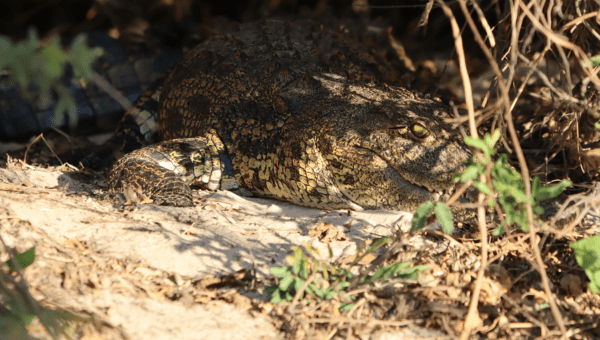
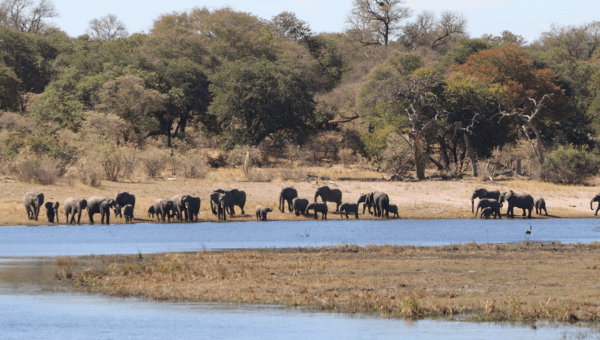
We really rated Bwabwata National Park – few vehicles and relaxed plentiful wildlife. The Kwando river forms an oxbow known as horseshoe bend, a popular place for massive herds of elephants. We spotted 3 or 4 herds, each between 30 and 60 strong. Unforgettable!
And finally, I’d like to finish off with a word about the people of Namibia. Namibia has a large number of distinct ethnic and cultural groups, with sources listing anywhere from 11 to 16 official groups or prominent indigenous cultures. We came across many living-museums, and our group was quite divided about whether to visit.
Luci believes it’s important to show an interest in the people of a country and visited as many museums as time would allow, she has this to say. “The people I met at the museums were very proud to have the chance to show off their culture. While they were quick to say that they no longer live like this, they seemed to feel it important to keep these traditions alive.”
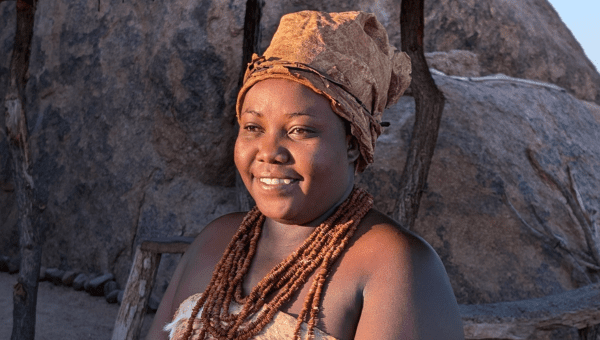
If you choose to visit a living museum or not, the Namibian people we met along the way were kind, friendly and well educated about the importance to tourism to their beautiful country.
We would love help create equally adventurous Namibia experiences for those that would like to explore this vast and beautiful country. Please contact us for more information.