
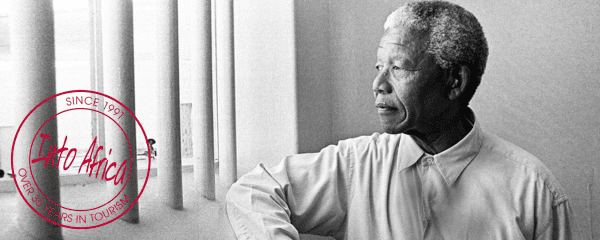
Few figures in modern history command the respect and affection that Nelson Mandela continues to inspire. For many visitors to South Africa, following in his footsteps is more than sightseeing; it is a pilgrimage through the life of a man whose story became inseparable from the story of a nation. As South Africa celebrates Heritage Day with thought we would invite you to take this pilgimage with us.
For many, that journey begins on Robben Island.
Standing in the tiny cell where Mandela spent 18 of his 27 years in prison, and seeing the limestone quarry where political prisoners worked, brings the scale of his sacrifice vividly to life. Yet Robben Island is only the beginning of a remarkable journey through the places that shaped Mandela’s life.

Victor Verster and the Winelands
In the beautiful Cape Winelands lies Victor Verster Prison, now the Drakenstein Correctional Centre. Mandela spent the final 14 months of his imprisonment here, living in a house within the prison grounds while secretly negotiating with the apartheid government.
On 11 February 1990, he walked through its gates as a free man after 27 years in prison. The image of Mandela and Winnie Mandela walking hand in hand remains one of the defining photographs of the twentieth century.
The visit can easily be combined with the vineyards of Paarl, Franschhoek or Stellenbosch, creating a fascinating contrast between South Africa’s troubled past and its celebrated Winelands.

Stay in Mandela’s Home
In Johannesburg, Sanctuary Mandela offers a uniquely personal experience. Set in Mandela’s former presidential home in Houghton, where he lived from 1992 to 1998, the property has been transformed into an intimate hotel celebrating his life and legacy.
For those wanting something truly special, guests can stay in the President’s Room, the bedroom once used by Mandela himself. It is a remarkable opportunity to spend the night in the home where he welcomed family, political leaders and international dignitaries during the extraordinary years surrounding his presidency.

The Capture Site
In KwaZulu-Natal, the Nelson Mandela Capture Site marks the roadside where Mandela was arrested on 5 August 1962 after living underground and evading the authorities.
His arrest began the journey that would ultimately lead to 27 years of imprisonment. Today, a striking sculpture of 50 steel columns gradually reveals Mandela’s face as you approach it – a powerful symbol of a man emerging from the shadows.
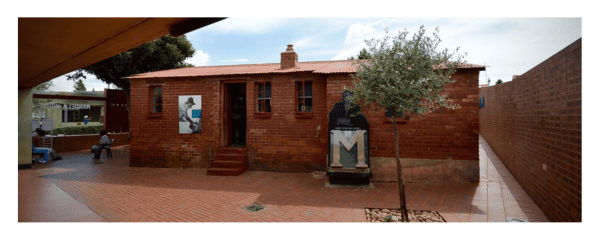
Soweto and Mandela House
No Mandela journey would be complete without Soweto, one of the great centres of the struggle against apartheid.
A visit to Mandela House on Vilakazi Street offers a glimpse into the more personal side of his life. This was the family home to which Mandela returned after his release from prison.
A wider Soweto tour also brings the events of the 1976 student uprising into focus, helping visitors understand the wider struggle against apartheid and the extraordinary changes that Mandela would eventually help to bring about.
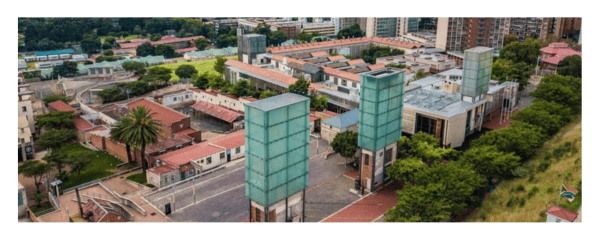
Liliesleaf and Constitution Hill
Two further Johannesburg sites add important chapters to the story.
Liliesleaf Farm was a secret meeting place for the liberation movement and played a crucial role in the events that led to the Rivonia Trial, at which Mandela and his fellow accused were sentenced to life imprisonment.
At Constitution Hill, visitors can see the former prison complex where Mandela was held alongside thousands of other political prisoners. Today it stands beside South Africa’s Constitutional Court – a remarkable transformation from a place of incarceration into a symbol of democracy and human rights.
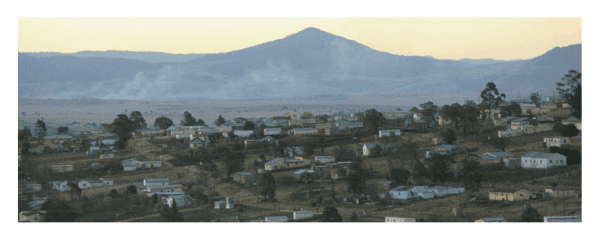
Where the Story Began
For those with more time, the journey can continue to the Eastern Cape, where Mandela was born and grew up.
Visits to Mvezo, Qunu and Mqhekezweni reveal his childhood and Thembu heritage, while University of Fort Hare, where he studied, offers insight into the young man before he became an international icon.
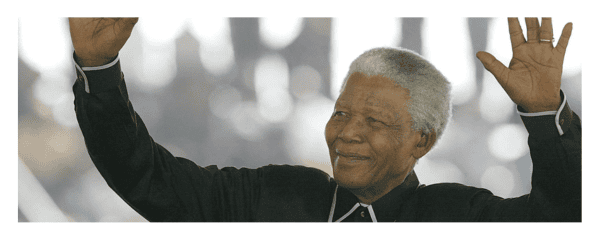
A Journey Through a Life
What makes a Mandela-focused itinerary so compelling is its extraordinary geographical sweep: from the rural landscapes of the Eastern Cape to Johannesburg’s townships; from the roadside where he was captured to the prison from which he walked free; from Robben Island to the home where he later welcomed world leaders.
Each place reveals a different chapter of Mandela’s life – the young man, lawyer, activist, prisoner, negotiator and ultimately president.
This is not simply a journey through South African history. It is a journey through the making of a man – and the making of a nation.
Speak to one of our consultants for advice on how to include elements of Mandela’s life with visits to significant sites in your next itinerary.