

The rise of the Conscious Traveller is starting to impact on how we do travel. Guests look to do more than passively enjoying a game drive, they want to be part of the conservation action. Many are more than just curious about the outreach initiatives lodges manage, they want to meet communities in a meaningful way. This Travel Enhancer is directed at the Conscious Traveller.
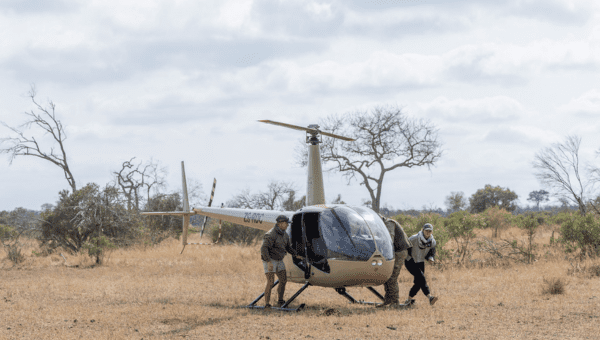
Participate in a helicopter anti-poaching patrol. In South Africa, anti-poaching helicopters play a vital role as a force multiplier for rangers, providing aerial surveillance, rapid-response capabilities, and logistical support across vast and often inaccessible terrains. They significantly enhance the effectiveness of ground teams in combating poaching.
Aerial surveillance: Helicopters are the “eyes in the sky,” allowing rangers to patrol and monitor vast areas much faster than ground-based units. They are used for:
- Deterrence: The visible presence of aircraft serves as a powerful deterrent to would-be poachers.
- Tracking: From the air, crews can follow the fresh tracks of poachers and track the movements of animals, including those fitted with transmitters.
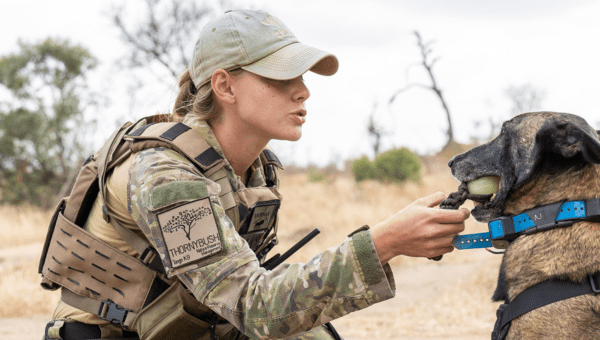
Take part in a K9 demonstration. Canines play a vital role in South African conservation primarily through anti-poaching and anti-smuggling activities, using their keen senses to detect wildlife products and track poachers. They are trained to locate contraband like rhino horn and ivory, as well as snares, firearms, and spent cartridges. They also support anti-poaching units on the ground by tracking people and can be used in rapid response scenarios, providing logistical support in reserves and at airports to intercept illegally traded goods.

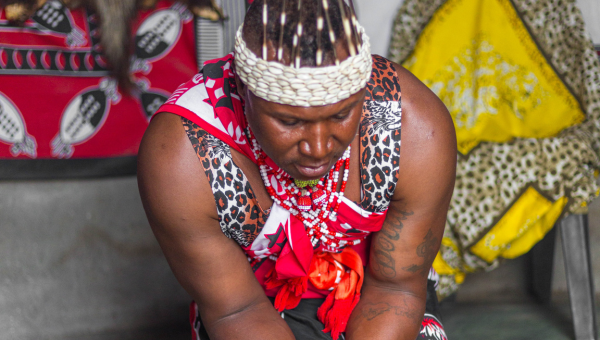
Interact with a tribal community in a meaningful way. Many lodges make the ethical choice of sourcing their fresh produce from local communities. Guests are encouraged to visit food gardens and craft initiatives to learn about the unique skills and practices being used. Guests may take up the chance to chat to community members over a shared meal. A great way to about how a communities ancestors lived is through storytelling. One example of this could be to visit a Shangaan community.
The Shangaan are a people of mixed Nguni and Tsonga origin who were formed in the 19th century when Zulu general Soshangane conquered the Tsonga people in present-day southern Mozambique. They are a sub-group within the larger Tsonga ethnic group, and their people now live mainly in southern Mozambique, southeastern Zimbabwe, and the Limpopo and Mpumalanga provinces of South Africa.
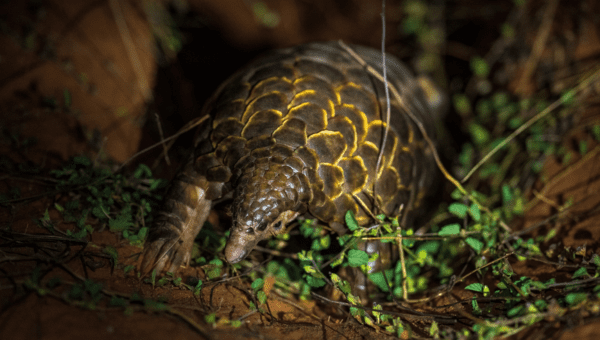
Different regions of South Africa offer different opportunities. The Kwa Zulu Natal region is well known for its precious wetlands and Indian Ocean marine life, visitors may be curious about conservation in these unique areas. Some game reserves in the Western Cape offer chances for guests to get in volved in protecting the fynbos fauna and flora. While other regions may be better known for rhino conservation. The green Kalahari has an established Pangolin research and conservation programme, which guests can support by signing up to go pangolin tracking at night.
Speak to your Into Africa travel consultant about how to enhance your safari offering for greater impact!