
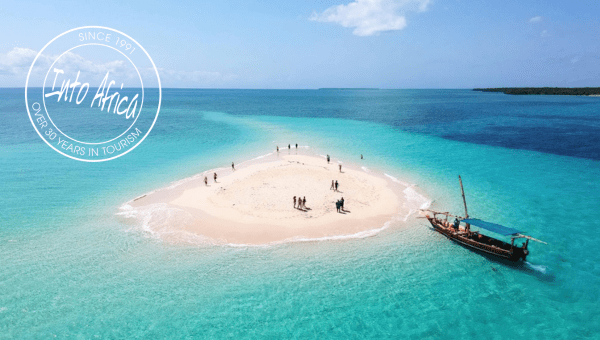
Let’s Travel Africa in Winter (June to September)
Clear skies, epic wildlife, softer light, and Africa at its most rewarding.
Winter in East and Southern Africa isn’t about retreating from the world, it’s about stepping straight into it. From June to September, the continent hits a sweet spot: dry days, comfortable temperatures, dramatic wildlife encounters, and experiences that simply shine brighter. If you’re choosing one season to travel Africa, this is it.
Wildlife at Its Absolute Best
Winter is prime safari season. As water becomes scarce, wildlife gathers around rivers and waterholes, making game viewing exceptional and photography unforgettable.
- Kruger National Park & Zambia (June–September): Sparse vegetation, cooler days, and Big 5 sightings become easier and more frequent. Walking safaris in South Luangwa and the Lower Zambezi are world-class at this time.
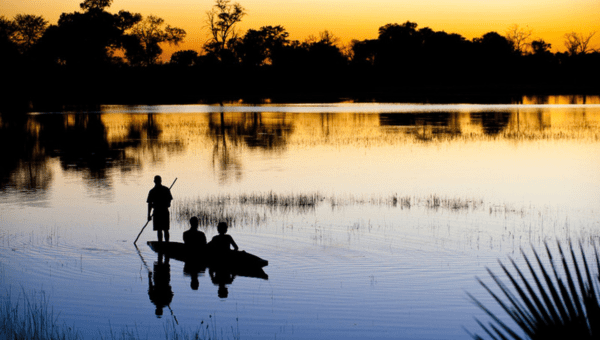
- Okavango Delta (June–August): The Delta floods in winter, a magical contradiction. Glide silently through crystal-clear channels on a mokoro as wildlife congregates along the water’s edge.
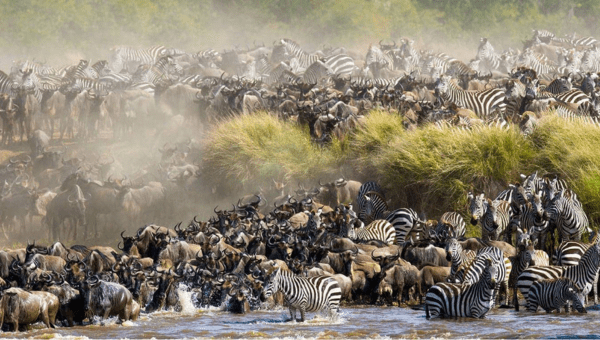
- Masai Mara, Kenya (July–October): Witness the Great Migration as millions of wildebeest and zebra thunder across the plains. August often delivers the drama of river crossings, one of nature’s most iconic spectacles.
- Serengeti Balloon Safaris (June–October): Float above the savannah at sunrise as herds move below, calm winds, golden light, and extraordinary visibility make winter the perfect season.
Bucket-List Encounters, Perfectly Timed
Some African experiences are simply better, or only possible, in winter.
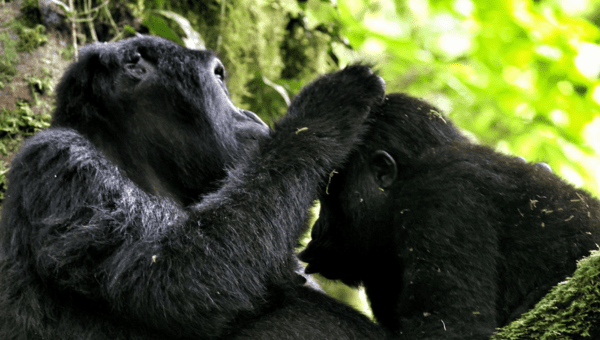
- Gorilla Trekking in Rwanda & Uganda (June–September): Drier trails, clearer forest views, and the most comfortable hiking conditions. It’s peak season for a reason, and permits should be booked well in advance.
- Victoria Falls (July–August): A beautiful balance, powerful water flow without overwhelming spray, excellent visibility, and the chance to combine with safari adventures.
- Whale Watching in Hermanus (August–October): Southern Right Whales arrive in numbers, often visible from shore, with September offering near-guaranteed sightings.
Sun, Sea & Indian Ocean Bliss
Winter doesn’t mean giving up beach time, in fact, it’s when Africa’s coastline truly shines.
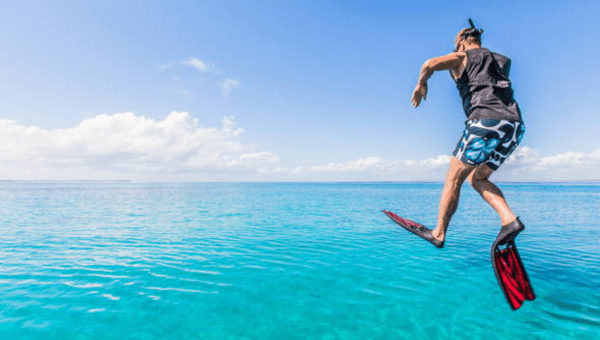
- Zanzibar (July–October): Calm seas, low humidity, and up to 30 metres of underwater visibility make snorkeling and dhow sailing sublime.
- Kenya’s Islands & Lamu Archipelago (July–October): Idyllic island hopping, warm waters, and classic dhow sunsets.
- Mozambique (May–October): Dry, sunny days, excellent diving, and from July onwards, humpback whales migrating along the coast.
- KwaZulu-Natal Coast (May–August): South Africa’s warmest winter beaches, perfect for swimming, diving, and relaxed coastal escapes.
Comfort, Clarity & Fewer Surprises
Winter travel brings practical perks too:
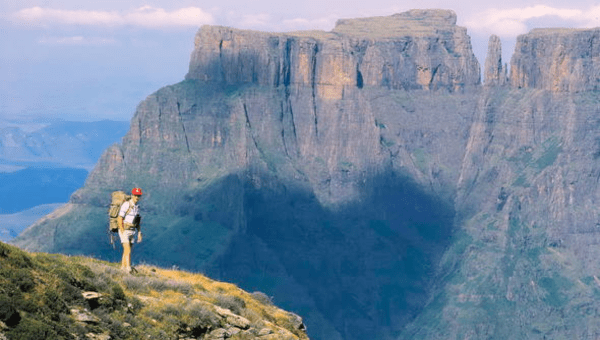
- Cooler days and low humidity make touring, hiking, and exploring far more comfortable.
- Dry weather means fewer insects and lower malaria risk in many regions.
- Clear skies and thinner vegetation deliver superior photography conditions.
- Roads, trails, and parks are more accessible and reliable.
Why Winter Wins
Winter in Africa is about clarity, clear skies, clear sightings, and unforgettable moments that feel unfiltered and real. Whether you’re tracking gorillas through misty forests, watching elephants gather at a riverbank, sailing silently on a dhow at sunset, or standing in awe as wildebeest cross crocodile-filled rivers, this is Africa at its most compelling.
June to September isn’t just a good time to travel Africa, it’s the time. Reach out to our team and we’ll help you make the most of Africa in Winter.